

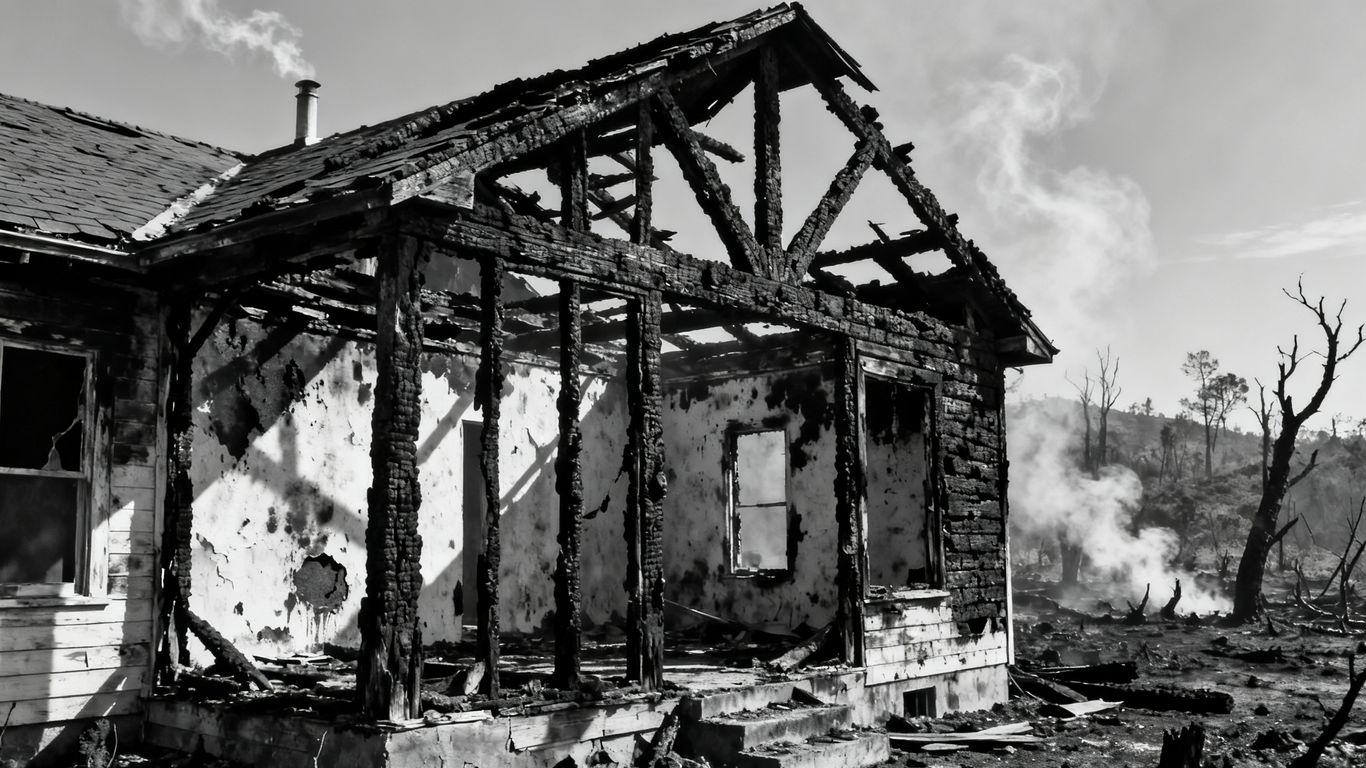
After a wildfire has passed through, the first step is to approach your property with caution and begin a visual inspection. It’s important to remember that even if the main structure appears intact, the intense heat and flames can cause hidden damage. Your safety is the top priority during this initial assessment.
Before you even step foot on the property, take a moment to observe from a safe distance. Look for obvious signs of structural compromise, such as collapsed sections, significant charring on exterior walls, or damaged roofing. Once it appears safe to enter, proceed slowly and deliberately.
Here are some key areas to focus on during your initial walk-around:
- Exterior Visuals: Check the condition of the roof, siding, windows, and doors. Note any warping, melting, cracking, or missing materials. Even minor damage to these components can indicate more significant issues underneath.
- Surrounding Landscape: Observe the condition of trees, fences, and any outbuildings. Significant damage here can sometimes point to the intensity of the fire’s impact on your home.
- Debris and Ash: Note the presence and depth of ash and charred debris. While not always indicative of structural failure, it helps paint a picture of the fire’s proximity and intensity.
It is also vital to consider securing the site against further damage. This might involve temporarily covering broken windows or damaged roof sections to prevent water intrusion from rain or snow. Identifying potential hazards, such as downed power lines or weakened structures, is also part of this initial phase. For a more detailed understanding of post-fire evaluations, consulting resources on fire damage assessments can be beneficial. Remember, this initial assessment is about gathering information and ensuring immediate safety before moving on to more detailed evaluations.
Evaluating Exterior Structural Components
After a wildfire, the outside of your house takes a beating. It’s the first line of defense, so it’s important to check it over carefully. You’re looking for anything that might have been weakened or damaged by the intense heat and flames.
Roofing Material Integrity
The roof is especially vulnerable. Intense heat can warp shingles, damage underlayment, and even affect the structural integrity of the roof decking and trusses. You’ll want to look for:
- Missing or damaged shingles or tiles.
- Signs of warping or blistering on roofing materials.
- Any sagging or visible damage to the roof structure itself.
Even if the damage isn’t obvious, the materials might be compromised. A thorough inspection, possibly by a professional, is a good idea, especially if you live in an area prone to wildfires. This is where understanding the impact of wildfire exposure on roofing systems can be helpful.
Siding and Exterior Finishes
Your home’s siding, whether it’s wood, vinyl, stucco, or another material, can suffer significant damage. Look for:
- Cracking, melting, or bubbling of siding materials.
- Charring or discoloration.
- Areas where siding might have pulled away from the structure.
Pay close attention to areas near vents or openings, as these can be entry points for embers and heat.
Windows and Door Frames
Windows and doors are critical for keeping the elements out, but they can be susceptible to heat damage. Check for:
- Cracked or shattered glass.
- Frames that appear warped, melted, or discolored.
- Damage to seals or weatherstripping, which could allow smoke and water intrusion.
The integrity of these components is vital for maintaining the building’s envelope against further environmental threats. Sometimes, damage might seem minor, like a slight warp, but it can still compromise the seal. Assessing the extent of destruction, whether it’s minor or major, helps in planning next steps using damage categories.
Assessing Interior Structural Integrity
After a wildfire, the interior of your home may appear untouched, but heat and smoke can cause hidden damage. It’s important to look beyond the surface to check the structural soundness of the inside of your house.
Load-Bearing Wall Examination
Load-bearing walls are key to keeping your house standing. Intense heat can weaken the materials they’re made from, like wood studs or steel beams. Look for:
- Signs of charring on wooden studs, especially near the base.
- Any warping or bending in metal components.
- Cracks or separations in plaster or drywall that weren’t there before.
Even minor-looking damage to these walls can affect the entire building’s stability. If you suspect any issues, it’s best to consult a professional who can assess the extent of the damage. Understanding the fire damage assessment factors can help in this evaluation.
Floor and Ceiling Stability
Floors and ceilings are also susceptible to damage from heat and water used during firefighting. Check for:
- Sagging or unevenness in floors.
- Cracks or water stains on ceilings.
- Any unusual creaking sounds when walking.
These signs could indicate that the joists or beams supporting the floors and ceilings have been compromised. A thorough inspection is needed to confirm their integrity.
Foundation Condition
While the foundation is underground, extreme heat can still affect it. Look for:
- New cracks in basement walls or the slab.
- Spalling, which is when pieces of concrete break away.
- Any signs of shifting or settling.
Damage to the foundation can be serious and may require professional repair. It’s a critical part of the overall structural health of your home, and a wildfire risk assessment should consider its resilience.
Understanding Heat and Combustion Byproducts
Wildfires are more than just flames; the heat and the stuff that burns can cause damage too, sometimes far from where the fire actually was. It’s not always about seeing char marks. The intense heat from a wildfire can radiate and affect materials even if the fire doesn’t directly touch them. This radiant heat can cause things like wood to warp or blister, and plastics to melt. You might see glass crack or discolor, and concrete can develop cracks or look different in color.
Identifying Heat Damage Indicators
When you’re looking around your property, keep an eye out for specific signs that the heat itself might have caused problems. These aren’t always obvious at first glance. Some common indicators include:
- Warped or cracked window glass.
- Wood surfaces that look blistered or have started to char without direct flame contact.
- Vinyl siding or other plastic components that appear melted or deformed.
- Asphalt shingles that are warped or have melted.
- Concrete or masonry that shows signs of cracking or discoloration.
It’s important to document these findings carefully. These heat-related issues can weaken materials over time, even if they don’t seem critical right away. Understanding these signs helps in assessing the full scope of damage beyond just visible charring. The effects of heat can be subtle but significant, impacting the long-term integrity of your home.
Soot and Ash Deposits
Beyond the direct heat, the smoke and residue left behind by a wildfire are major concerns. Soot is a fine, powdery substance that results from incomplete burning. It can settle on surfaces and, importantly, it’s combustible. If there’s still smoldering debris or high heat present, soot could potentially contribute to reignition. Ash, on the other hand, is the result of complete combustion and isn’t combustible itself. However, ash can cause its own set of problems. It can clog gutters and downspouts, leading to water backup and potential roof or foundation damage. It can also get into your home’s ductwork or insulation, sometimes going unnoticed for a while. These deposits aren’t just cosmetic; they can indicate the fire’s proximity and intensity, and sometimes they can degrade materials over time. Professionals can help determine if these deposits are just surface-level or if they’ve caused deeper structural issues [ccf6].
Impact of Embers and Radiant Heat
Embers, those glowing pieces of burning material carried by the wind, are a significant threat during wildfires. They can land on roofs, in gutters, or near the structure, potentially starting new fires. Even if they don’t ignite a full blaze, they contribute to the overall heat exposure. Radiant heat is another factor; it’s the heat that travels through the air from the fire. This means that even homes not directly in the path of the flames can experience damage from intense heat. This can affect materials like siding, roofing, and even the paint on your house. The intensity and duration of this exposure play a big role in how much damage occurs. For instance, materials that aren’t designed to withstand high temperatures might warp, melt, or become brittle. Assessing this type of damage requires looking closely at how different materials have reacted to the heat and potential ember exposure. The presence of smoke indoors is also a concern, as it can carry harmful particles and gases [6cd3].
Examining Utility Systems and Connections
After a wildfire, it’s critical to approach your home’s utility systems with extreme caution. The intense heat and flames can compromise electrical wiring, gas lines, and water systems, making them unsafe for use until properly inspected. Never attempt to restore power or gas yourself; always wait for qualified professionals.
Electrical and Gas Line Safety
Wildfires can damage overhead power lines, underground cables, and gas mains. Look for any visible signs of damage to these lines or their connections to your house. If you smell gas or see downed power lines, evacuate the area immediately and contact the utility company. Utility companies will assess and repair damage to the main lines, but you’ll need to have a licensed electrician or plumber check the connections to your home. They will look for:
- Melted or frayed wiring
- Damaged conduit or junction boxes
- Compromised gas pipes or connections
- Breaks in the main service lines
It is important to have these systems checked before attempting to turn any power or gas back on. Damaged utility infrastructure can ignite wildfires, so understanding the risks is key [d736].
Water Supply and Well Systems
If your home relies on a municipal water supply, the fire may have disrupted service or contaminated the lines. For those with private wells, the wellhead, pump, and associated piping could have sustained damage. Assess the physical condition of your water source and any visible pipes leading to the house. If you have a well, a professional should inspect the pump and electrical connections. Contamination is also a concern, so consider having your water tested after the immediate structural assessment.
Propane Tank and Associated Equipment
Propane tanks and their connecting lines are particularly vulnerable to heat damage. Even if the tank itself appears intact, the valves and hoses could be compromised, leading to leaks. Inspect the tank for any signs of melting, warping, or physical damage. Check the area around the tank for any signs of spilled fuel. It is strongly recommended to have a certified propane technician examine the entire system, including the regulator and shut-off valves, before attempting to use it. They can identify any potential hazards and make the necessary repairs to ensure safe operation [a6f3].
Specialized Assessments for Key Materials
Different building materials react to wildfire heat and flames in unique ways. A thorough assessment needs to consider these material-specific behaviors to accurately gauge structural integrity. Simply looking at the surface might not tell the whole story.
Wood Frame Structure Evaluation
Wood, a common building material, can be deceptive after a fire. While charring might look severe, the interior of the wood can often retain much of its original strength. Structural engineers use specialized techniques to evaluate this. They look at the depth of the charring and assess the wood’s residual capacity. Sometimes, what appears to be a total loss can be salvaged with proper repairs. Non-destructive testing methods, like ultrasonic testing, are particularly useful here to understand the wood’s internal condition without causing further damage. This approach helps avoid unnecessary replacement of structural members.
Concrete Foundation Spalling and Cracking
Concrete foundations are robust, but intense heat from a wildfire can cause significant damage. High temperatures can lead to spalling, which is the surface of the concrete breaking away, and cracking. This damage can weaken the foundation’s ability to support the house. Even if the damage isn’t immediately obvious, heat can compromise the concrete’s internal strength. Professionals use various testing methods, including rebound hammer tests and ultrasonic evaluations, to check for hidden weaknesses. Depending on the severity, repairs might range from patching minor surface damage to more extensive interventions or even replacement.
Metal Component Deformation
Metal components, such as steel beams or fasteners, can also be affected. While steel can withstand high temperatures, extreme heat can cause it to warp or deform. This deformation can compromise its load-bearing capabilities. Unlike wood, where some charring might be superficial, warped metal often requires replacement. Assessing these components involves looking for visible signs of bending, twisting, or other distortions. Understanding how these metal parts have been affected is key to ensuring the overall stability of the structure. For a more in-depth look at how fire damage is assessed, you might find information on fire damage assessment methods helpful.
Distinguishing Wildfire Damage from Pre-existing Conditions
After a wildfire, it’s common to find new issues with your home. However, not every problem you spot is a direct result of the fire. Sometimes, what looks like fire damage might actually be something that was already there before the flames arrived. It’s important to tell the difference so you can get the right repairs and make accurate insurance claims. A careful assessment is key to understanding the true impact of the wildfire.
Age-Related Deterioration
Buildings age, and with age comes wear and tear. Things like sun exposure, moisture, and just the passage of time can cause materials to break down. For example:
- Roofing: Shingles might curl or crack due to years of sun and weather, not just intense heat from a fire.
- Siding: Vinyl siding can become brittle over time, making it prone to cracking. Wood siding might show signs of rot or decay.
- Paint: Fading or peeling paint is a common sign of aging and exposure, not necessarily fire.
It can be tricky because wildfire heat can make existing weaknesses worse. A professional can look at the pattern of damage to see if it’s consistent with aging or if the fire played a significant role. Sometimes, looking at photos of the property from before the fire can help show if these issues were already present.
Impact Damage Analysis
Damage from things hitting the house can sometimes look similar to fire damage, but the patterns are usually different. Think about how glass breaks: a sharp impact might cause a spiderweb crack, while intense heat could cause it to warp or shatter differently. Similarly, concrete might crack due to settling or ground movement, which is distinct from cracking caused by extreme heat. Professionals can examine the nature of the cracks and breaks to determine the cause. They might also look at the surrounding area for evidence of what could have caused impact damage, such as falling debris from trees or structures.
Comparison with Other Causes of Loss
When assessing damage, it’s helpful to consider all potential causes. Wildfires can leave behind soot and ash, but these can also be related to other things like fireplace use or even candles. Charred material might be found on your property, but it could have been blown there by the wind from a different fire or even from a controlled burn. Understanding the context of the damage is vital. For instance, if soot is found only in areas exposed to wind from the direction of the fire, it’s more likely wildfire-related. If it’s found throughout the house with no clear pattern, it might point to other sources. This detailed comparison helps ensure that all claimed damages are directly attributable to the wildfire event, which is important for wildfire insurance claims.

