

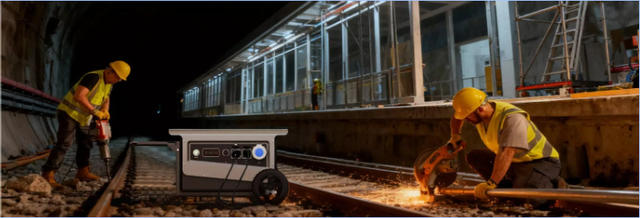
No one has to tell you how hectic a construction site is. They’re loud, messy, and chaotic. Equipment is being moved and as usual, there’s mud everywhere. Rain is threatening to complicate things even more. In the midst of all that, even more chaos ensues as the site needs power to operate tools, lights. Construction sites are very unforgiving to electrical equipment.
Still, power is an absolute imperative and without it, work can’t progress. Power equipment design and construction has a lot of importance in the construction industry. Sub standard power equipment might be fine for the relative control of the indoors, but as soon as you take it outside into the dust, moisture, and the unpredictable elements of the construction industry, it doesn’t last long. This is why more site managers and contractors are looking to the reliable designs of an Industrial Power Station. With one of these, you know you have power you can depend on through all the changing elements, without the risk of suddenly sparking and becoming a hazard.
There are many factors that play into the safety of a construction site. The most crucial of these is the electrical equipment. The nature of electrical construction work is that you only have one chance to get it right. Damaged wiring or exposed electrical power can be the recipe for a disaster that no construction site wants to experience.
The Real Risks of Standard Power Equipment on Job Sites
It’s easy to get a mental picture of a rackety construction site. There’s probably wiring for all to trip over and tools permanently being drilled into makeshift pathways as extension cords snake through puddles. There’s probably a generator or two within a stone’s throw of an all-weather site, as well. Some of the more common sites’ power solutions also skimp on some of the most basic ingress protections. They allow water, dirt, and debris on the site to get into the equipment and destroy the already shoddy equipment with dust or worse, start an electrical fire.
It’s pretty much inevitable that it’s going to rain while some of the more intense phases of construction and excavation are going on. It is impractical to stop the construction for the more mild rain, especially considering the humidity and mud that comes after. Because of this, construction equipment is designed to work in less than ideal conditions. If the power solution is designed for ideal dry conditions, workers are putting their lives in danger with every tool that’s plugged in.
Just as water is a threat, dust and dirt also pose a significant threat to power solutions. Especially fine dust that gets into the equipment from cutting and grinding settles into equipment and causes overheating and failure of equipment. Solutions that simply cover the power supply offer no protections and the power supply’s reliability is important to ensure the continued operation of countless other pieces of construction equipment.
What Makes a Power Station Truly Site-Ready
Not every unit marketed toward outdoor use is actually built for the demands of a construction environment. The units that genuinely hold up tend to share a few common traits. They typically carry an IP rating that reflects real resistance to dust and water intrusion, not just splash resistance for light rain. Sealed casings, reinforced ports, and rubberized covers over outlets are common design features that separate a genuinely rugged unit from one that just looks tough.
Beyond the physical build, thermal management matters too. Units designed for job sites often include better ventilation systems that still maintain sealing integrity, allowing heat to dissipate without letting in contaminants. This balance is tricky to engineer well, and it’s part of why quality varies so much between manufacturers.
Portability is another factor worth mentioning, even though it’s not directly about weatherproofing. Job sites shift layouts constantly, and a power source that’s difficult to move becomes a bottleneck. The best units combine rugged protection with a design that crews can actually relocate without needing a forklift every time.
How This Translates Into Fewer Incidents
When equipment is built to resist moisture and debris, the most obvious safety benefit is a reduced risk of electrical shock and fire. But the impact goes beyond the equipment itself. Reliable power means fewer improvised workarounds. Workers won’t feel tempted to run makeshift extension setups or bypass safety housings just to keep a tool running, because the primary power source is already dependable in whatever conditions the day throws at it.
There’s also a psychological angle that doesn’t get discussed enough. When workers trust their equipment, they tend to follow procedures more consistently. If a generator or power unit constantly cuts out or shows visible signs of wear from moisture damage, workers start treating it as unreliable, and unreliable equipment often gets handled carelessly out of frustration. Consistent, weatherproof performance builds a kind of quiet confidence that supports better habits across the board.
Downtime reduction is another underappreciated safety factor. When power fails unexpectedly, crews sometimes rush to fix the issue under time pressure, which is when shortcuts and risky decisions happen. A power source that simply keeps running through rain, humidity, and dust removes that pressure entirely, letting workers focus on doing their tasks correctly rather than troubleshooting equipment failures in less-than-ideal conditions.
Compliance and Long-Term Cost Considerations
Safety regulations in construction are becoming more detailed every year, and equipment standards are a growing part of that conversation. Using gear that’s rated for outdoor exposure isn’t just about avoiding accidents, it’s increasingly about staying compliant with site safety requirements and insurance expectations. Failing an inspection because of substandard electrical equipment can halt a project entirely, which ends up costing far more than investing in the right gear upfront would have.
There’s also a financial argument that ties directly back to safety. Equipment that isn’t protected against water and dust tends to fail faster, requiring more frequent replacements or repairs. Beyond the direct cost, every equipment failure is a moment where something could go wrong on-site, whether that’s a spark, a shock, or simply a work stoppage that pushes crews to rush later in the day to catch up. Reliable, well-built power sources reduce these repeated risk windows simply by lasting longer and performing consistently.
Selecting the Suitable Unit for Your Project
Power capacity and unit ruggedness requirements vary between projects. A small home renovation has different power and equipment needs from a large commercial project requiring heavy constant running equipment. An important alignment between projects of all scales is the weather resistance of the product. Don’t sacrifice protection to save a few dollars.
IP rating, outlet cover construction, and thermal management of the unit while maintaining a high level of sealing all come into play. A product with favorable reviews is a better unit in the field than an unreleased unit with marketing claims. For this reason, the reviews of a waterproof power station that has been field tested in adverse conditions with mud, rain, and dust is going to provide information beyond an extensive and detailed specification sheet.
Conclusion
Construction sites are inherently unpredictable, and equipment used to power them should be designed to function in unpredictable environments. Dust and water resistant power stations are a safety feature and mitigate electric safety issues, empower good work habits and flow, and keep projects on schedule and safety compliant.
The main goal of safety on a job site is to mitigate as many risks as possible. Weatherproof power equipment units accomplish this with end of the day protection for work crews to focus on their work rather than obstacles.

