

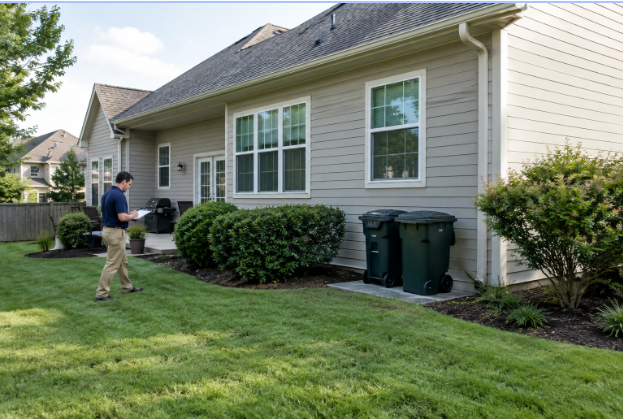
Pest prevention rarely comes down to one major cleanup. More often, it is built through small habits that remove the food, water, shelter, and access points pests look for. A crumb-filled appliance tray, a dripping pipe, a loose door sweep, or an overgrown area beside the foundation can make a home more inviting than it appears at first glance.
When recurring activity calls for more than routine maintenance, homeowners in Illinois and Indiana can consult Pointe Pest Control, a family-operated company serving Chicago and surrounding communities with residential, commercial, rodent, mosquito, bed bug, and termite services. Its website offers service information and pest education that can help homeowners understand why a targeted inspection is often more useful than treating repeated sightings without identifying the source.
Why Small Home Issues Can Lead to Bigger Pest Problems
Pests often settle into hidden areas before anyone sees them. Moisture beneath a sink, pet food left out overnight, cardboard stacked in a garage, and gaps around pipes can provide the conditions pests need to feed, nest, or travel through the home. Prevention works best when it begins before activity becomes widespread.
A practical prevention-first approach follows the same basic logic as integrated pest management principles: monitor conditions, accurately identify the pest, reduce the cause of the problem, and use the least-disruptive, effective control method when action is needed. A single insect does not always mean a treatment is necessary, but repeated signs deserve attention.
Start With a Room-by-Room Home Check
A quick inspection can usually be completed in under an hour with a flashlight and a notepad. Look for droppings, gnaw marks, damaged food packaging, insect webbing, moisture stains, musty odors, or unexplained scratching sounds. Record where you find each sign so patterns are easier to spot later.
- Kitchen and pantry: Check dry goods, pet food, recycling, appliance edges, and the space beneath the sink.
- Bathrooms and laundry areas: Look under sinks, around toilets, behind washing machines, and near floor drains.
- Basements, garages, and closets: Inspect stored boxes, wall edges, utility areas, and undisturbed corners.
- Doors, windows, and vents: Look for torn screens, loose weather stripping, and gaps around utility lines.
- Exterior walls: Walk the perimeter and note vegetation, standing water, debris, and openings near the foundation.
Make the Kitchen Less Appealing to Pests
Kitchens provide dependable food sources, even in otherwise tidy homes. Transfer cereal, flour, rice, snacks, and pet food into sealed containers. Wipe counters after meals, wash dishes promptly, empty indoor trash regularly, and rinse sticky residue from recycling before storing it indoors.
Do not overlook small appliances and hard-to-reach spaces. Ants may repeatedly appear near a toaster because crumbs collect beneath it, while pantry pests can spread through overlooked packages at the back of a shelf. Removing the food source can reduce activity, but repeated sightings may also indicate a nearby nest, a damaged package, or an entry point that needs attention.
Control Moisture in Hidden Areas
Water is a major attraction for many household pests. Repair dripping faucets and loose pipe connections, use bathroom exhaust fans during and after showers, and inspect the areas around water heaters, refrigerators, dishwashers, and washing machines. In a damp basement, a properly sized dehumidifier can help reduce persistent humidity. Keep stored items off the floor when possible, and make sure gutters and downspouts direct water away from the foundation.
Seal the Openings Pests Use to Get Inside
Inspect door sweeps, weather stripping, window screens, garage-door edges, attic vents, crawl-space openings, and gaps around plumbing, wiring, cable lines, and dryer vents. Even small openings matter. The CDC notes that mice can fit through a hole about the width of a pencil, and guidance on sealing gaps and holes around a home also emphasizes protecting food and reducing outdoor attractants.
Use materials suited to the size and location of the opening, such as caulk for narrow cracks and durable screening or metal materials for larger gaps. Do not block vents that require airflow. If you are uncertain whether an opening serves a utility, appliance, or ventilation function, have it evaluated before sealing it.
Keep Outdoor Areas From Feeding Indoor Problems
Outdoor upkeep reduces the number of pests gathering near doors, windows, garages, and foundations. Trim branches and shrubs away from the house, clear leaves and clutter from exterior walls, keep trash containers closed, and remove standing water from plant trays, toys, clogged gutters, and other containers. Store firewood and yard debris away from the home rather than directly against siding or walls. Avoid piling mulch heavily against the structure, where it can retain moisture and hide pest activity.
Build a Seasonal Pest Prevention Routine
Spring
- Inspect screens, gutters, door sweeps, and foundation cracks after winter weather.
- Remove debris from around the home and watch for early ant, termite, and mosquito activity.
Summer
- Empty standing water frequently and keep outdoor food, grills, and trash covered.
- Check eaves, decks, and play areas for developing wasp nests.
Fall
- Seal accessible gaps before cooler conditions encourage pests to seek indoor shelter.
- Inspect attics, garages, basements, and stored seasonal items for rodent signs.
Winter
- Monitor quiet, warm spaces such as utility rooms, storage areas, and kitchen cabinets.
- Check for condensation, plumbing leaks, and food stored with holiday decorations.
Know When DIY Prevention Is Not Enough
Maintenance can lower risk, but it may not solve an established infestation. Seek professional guidance for repeated sightings, expanding droppings, damaged wires, suspected structural wood damage, bed bugs, aggressive stinging insects, or pest activity appearing in several rooms. These situations may require accurate identification, a closer inspection of concealed areas, and a treatment plan matched to the pest and location.
How to Choose a Responsible Pest Control Provider
- Ask what pest was identified and what conditions are supporting it.
- Request an explanation of inspection findings, treatment areas, and follow-up needs.
- Confirm that products will be used according to their labels.
- Ask what residents should do before and after service.
- Choose a provider that discusses exclusion, sanitation, moisture control, and monitoring, not only spraying.
A One-Page Home Pest Prevention Checklist
- Store food in sealed containers and clean spills promptly.
- Cover and empty trash and recycling regularly.
- Repair leaks and reduce damp conditions.
- Seal accessible gaps around doors, windows, vents, and utility lines.
- Remove standing water and trim vegetation away from the home.
- Store firewood and debris away from exterior walls.
- Check basements, garages, attics, and pantries regularly.
- Record warning signs and respond early when activity continues.
Conclusion
Effective pest prevention is an ongoing process rather than a one-time task. To make your home less appealing to pests, focus on clean food storage, moisture control, exterior maintenance, repairing entry points, and conducting regular inspections. If you notice persistent warning signs or encounter issues with rodents, termites, bed bugs, or stinging insects, it’s important to seek a professional inspection. This can help identify the source of the problem and provide guidance on the next safe steps to take.

