

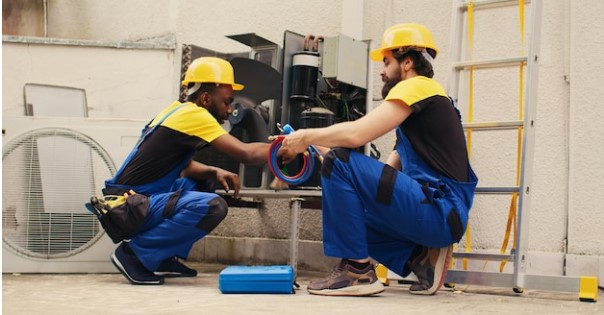
A reliable heating, ventilation, and air conditioning system can help maintain comfortable indoor temperatures and better air circulation throughout a building. Proper installation is important because the quality of the setup can affect system performance, energy use, and long-term reliability. Whether you are installing a new system or replacing an older one, understanding the basic steps involved in hvac installastion can help you make informed decisions and prepare for the project.
1. Assess Your Heating and Cooling Needs
The first step is to evaluate the building’s heating and cooling requirements. Factors such as building size, insulation, number of rooms, windows, local climate, and occupancy can influence the appropriate system size.
A professional HVAC technician can assess these factors and recommend equipment that matches the property’s needs. A proper assessment can also help prevent problems caused by choosing equipment that is too large or too small for the property.
2. Choose the Right HVAC System
There are different types of HVAC systems available for residential and commercial properties. Options may include central air conditioning, heat pumps, furnaces, ductless systems, and other configurations.
HVAC installastion planning should consider the property’s layout, energy requirements, budget, and desired level of indoor comfort before equipment is selected.
3. Prepare the Installation Area
Before equipment is installed, the work area should be prepared properly. Existing equipment may need to be removed, while electrical connections, ductwork, drainage, and other components may require inspection.
Preparing the area can help technicians complete the installation more efficiently and identify potential problems before new equipment is connected. Good preparation can also help reduce delays and make the installation process more organized.
4. Install the Main Equipment
The primary HVAC equipment is installed according to the manufacturer’s specifications. Depending on the system, this may include an indoor air handler, outdoor condenser, furnace, or heat pump.
Equipment should be positioned securely with sufficient clearance for proper airflow, maintenance, and safe operation. Proper placement can also make future inspections and repairs easier for technicians.
5. Connect Ductwork and Air Distribution
Ductwork plays an important role in distributing conditioned air throughout the building. During installation, technicians should check that ducts are properly connected and appropriately sealed.
Well-maintained connections can help reduce unwanted air loss and support more consistent temperatures across different areas. Careful ductwork installation can also help improve airflow and maintain more balanced indoor temperatures.
6. Complete Electrical and Control Connections
HVAC equipment requires suitable electrical connections and control systems. Thermostats, wiring, breakers, and other electrical components should be installed according to applicable requirements.
Proper connections allow the system to operate safely and give occupants convenient control over indoor temperatures.
Final Thoughts
Proper HVAC installation can provide a strong foundation for reliable heating and cooling performance. From choosing suitable equipment and preparing the installation area to connecting ductwork, completing controls, testing the system, and planning maintenance, each stage deserves careful attention. Working with a qualified professional can help ensure that hvac installastion is completed according to equipment requirements and applicable standards, supporting comfortable and efficient indoor conditions over the long term.

