

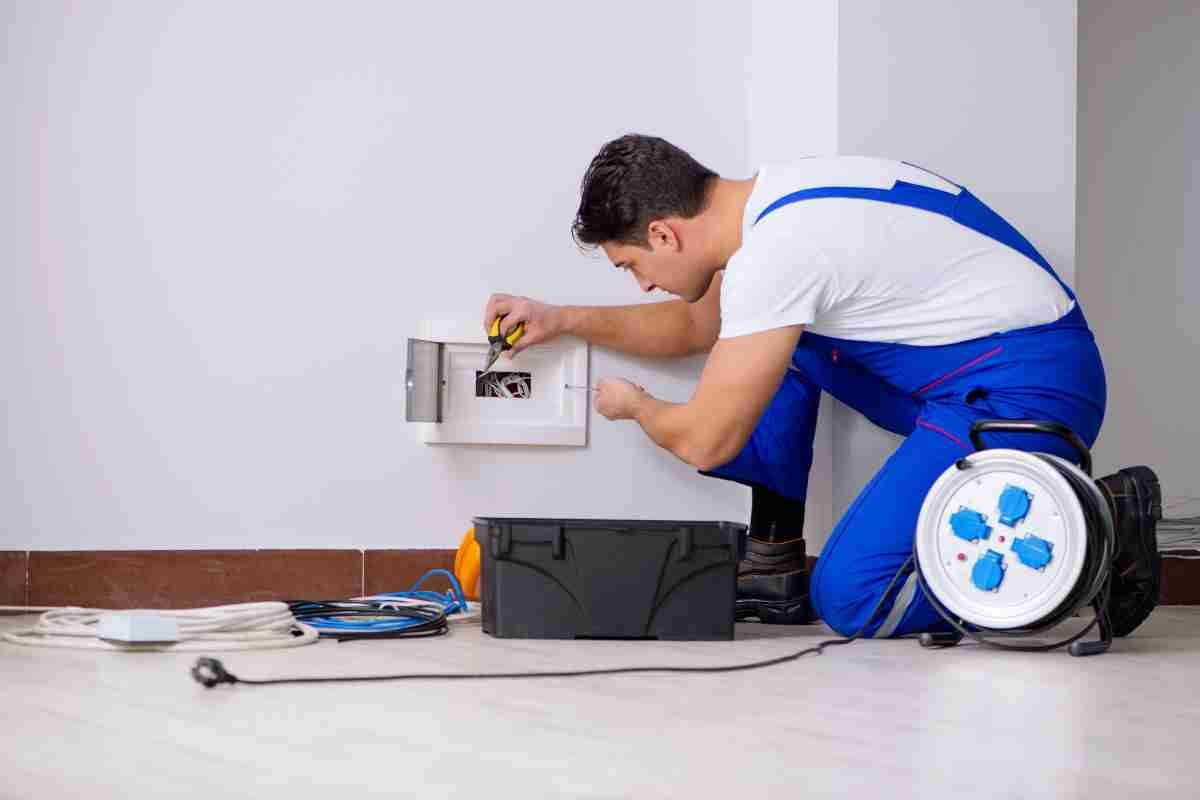
Electrical problems often give warning signs before they become serious hazards. Flickering lights, hot outlets, burning smells, and repeated breaker trips should be recognized. Recognizing these signals early can help protect your wiring, appliances, and family while giving a licensed electrician time to correct the underlying fault safely today.
Your home’s electrical system works quietly in the background, so problems can be easy to overlook until something stops working. Small warning signs may point to overloaded circuits, damaged wiring, failing outlets, or an outdated electrical panel. Arranging electrical services for safer homes can help identify hidden faults before they lead to shocks, damaged equipment, or fire risks. Homeowners should know which symptoms require immediate action and which checks can be performed without touching live components. By paying attention to changes in lights, outlets, breakers, and appliances, you can respond early and keep your electrical system reliable over time, too.
Warning Signs That Need Attention
Flickering or Dimming Lights
A loose bulb can cause occasional flickering, but repeated dimming across several fixtures may indicate a loose connection, overloaded circuit, or electrical panel problem. Notice whether the lights change when a large appliance starts.
If the issue continues after replacing or tightening the bulb, arrange an electrical inspection rather than opening the fixture yourself. A qualified electrician can determine whether the problem comes from the light fixture, circuit wiring, panel, or power supply.
Circuit Breakers That Keep Tripping
Circuit breakers shut off power when a circuit becomes overloaded or unsafe. One trip may happen when too many devices are running together, but repeated trips are not normal.
Unplug unnecessary equipment and note what was operating before the breaker tripped. If it happens again, leave the breaker off until an electrician identifies the cause. Constantly resetting it without addressing the problem may place additional strain on the circuit.
Warm, Discolored, or Sparking Outlets
An outlet or switch plate should not feel hot during normal use. Heat, brown marks, melting, or sparks may point to loose wiring, internal damage, or excessive electrical demand.
Stop using the affected outlet and avoid testing it with another device. Damage may be hidden behind the wall, where it cannot be seen easily. Prompt electrical troubleshooting can identify whether the outlet, wiring, or circuit protection requires repair.
Burning Odors or Buzzing Sounds
A burning smell near an outlet, switch, light fixture, or electrical panel requires immediate attention. Buzzing, crackling, or sizzling sounds may also signal overheating, damaged wiring, or electrical arcing.
Turn off the affected circuit only when it is safe to do so. Keep people and pets away from the area. If you notice smoke or fire, leave the home and contact emergency services immediately. Electrical components should normally operate without strong odors or persistent noise.
Signs Your Electrical System May Be Overloaded
Too Many Extension Cords
Extension cords are designed for temporary use. Depending on them throughout the home may mean there are too few outlets or circuits for your current electrical needs.
Cords placed beneath rugs or furniture can overheat or become damaged without being noticed. Connecting several power strips may also place excessive demand on a single outlet. Professionally installed outlets and dedicated circuits offer a safer and more reliable long-term solution.
Dead Outlets or Unresponsive Switches
A dead outlet may be connected to a tripped circuit breaker or GFCI device. However, it can also indicate a failed receptacle, loose connection, or damaged wiring.
Check accessible reset buttons and the electrical panel without removing any covers. If power does not return, leave the outlet unused and request electrical services for safer homes before the fault affects nearby outlets, switches, or appliances.
An Outdated Electrical Panel
The electrical panel distributes electricity throughout your home and protects each circuit. Frequent breaker trips, unusual sounds, corrosion, excessive heat, or limited capacity may suggest that the panel can no longer support the property safely.
Never remove the electrical panel cover or touch its internal components. A professional load assessment can determine whether the panel requires repairs, additional circuits, or a complete upgrade to manage modern appliances and equipment.
How to Respond Safely
Keep Home Electrical Checks Simple
Homeowners can safely observe warning signs, unplug appliances, check circuit breaker positions, and test built-in GFCI buttons. More advanced electrical work should always be left to someone with the correct training and equipment.
Avoid replacing breakers, repairing wiring, or opening outlets and electrical boxes yourself. Record which rooms are affected, when the problem occurs, and what equipment was running at the time. These details can help an electrician locate and diagnose the fault more efficiently.
Frequently Asked Questions
Can One Flickering Light Signal a Bigger Problem?
Persistent flickering can indicate loose wiring or circuit trouble. Tighten or replace the bulb first. If the problem continues, arrange a professional inspection.
Why Does a Breaker Trip When an Appliance Starts?
The circuit may be overloaded, the appliance may require a dedicated circuit, or the appliance itself may have an electrical fault.
Is a Warm Outlet Ever Normal?
The outlet plate should not become hot. Stop using it if you notice heat, discoloration, melting, sparks, or a burning odor.
Can Surge Protection Repair Faulty Wiring?
No. Whole-home surge protection can help limit damage from voltage spikes, but it cannot repair loose, damaged, or overloaded wiring.
When Is Emergency Electrical Help Needed?
Seek urgent help when you notice smoke, sparks, burning odors, exposed live wiring, repeated arcing sounds, or electrical damage following a storm.
Wrapping Up
Electrical warning signs should never be ignored. Flickering lights, breaker trips, warm outlets, burning smells, dead switches, and heavy extension-cord use can signal serious faults. Homeowners can safely observe issues, unplug devices, and check breakers or GFCIs, but internal repairs should be left to professionals. Early inspection helps prevent damage and restore safe power. Regular checks are especially important in older homes or after upgrades. Keeping wiring and panels in good condition improves safety and reliability. Arranging electrical services for safer homes helps reduce risks and maintain a dependable electrical system.

